
Dieses Produkt teilen :
2-Ethylhexanol
- Herkunft
- : China, Indonesien
- CAS-Nummer
- : 104-76-7
- HS-Code
- : 2905.16.20
Grundlegende Informationen
- IUPAC-Bezeichnung
- : 2-ethylhexan-1-ol
- Molekulare Formel
- : C8H18O
- Molekulargewicht (g/mol)
- : 130.2300
- In Chikey
- : YIWUKEYIRIRTPP-UHFFFAOYSA-N
- Inchi
- : InChI=1S/C8H18O/c1-3-5-6-8(4-2)7-9/h8-9H,3-7H2,1-2H3
- Synonyme und Handelsnamen
- : 2-Ethylhexan-1-ol; 2-Ethylhexanol; 2-ETHYL-1-HEXANOL; 104-76-7; 2-Ethylhexyl alcohol; 1-Hexanol, 2-ethyl-; Ethylhexanol; 2-ETHYL HEXANOL; 2-Aethylhexanol; Alcohol, 2-ethylhexyl; FEMA No. 3151; DTXSID5020605; XZV7TAA77P; NSC-9300; DTXCID10605; CHEBI:16011; RefChem:471944; 203-234-3; xi-2-Ethyl-1-hexanol; MFCD00004746
- Körperliche Form
- : Liquid
- Aussehen//Farbe
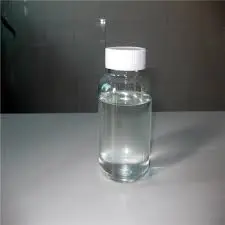
- : Colorless liquid
- Geruch
- : Mild, oily, sweet, slightly floral odor reminiscent of rose
- Schmelzpunkt (°C)
- : -70.0000
- Siedepunkt (°C)
- : 184.34 °C
- Dichte (g/cm³)
- : 0.8344
- Löslichkeit in Wasser
- : Miscible with most organic solvents
- Signalwort
- : Danger
- UN-Nummer
- : 1986
- GHS-Gefahrenklasse
- : Skin corrosion/irritation, Serious eye damage/eye irritation, Acute toxicity, inhalation, Specific target organ toxicity, single exposure; Respiratory tract irritation, Flammable liquids, Specific target organ toxicity, single exposure; Narcotic effects, Reproductive toxicity, Specific target organ toxicity, single exposure, Acute toxicity, dermal
- H-Aussagen
- : H314, H332, H361
- P-Aussagen
- : P203
- Lagerungsbedingungen
- : Keep container tightly closed in a dry and well-ventilated place. Containers which are opened must be carefully resealed and kept upright to prevent leakage.
- Tags zur branchenspezifischen Verwendung
- : Processing aids not otherwise specified
Kategorien
Dieses Produkt teilen :
Kurzer Überblick
2-Ethylhexanol hat eine primäre Hydroxylgruppe. Es ist eine farblose Flüssigkeit. 2-Ethylhexanol wird häufig zur Herstellung von Dioctylphthalat (Vinylanwendungen), Acrylaten, 2-Ethylhexylnitrat, Schmieröladditiven, Bergbauchemikalien, speziellen Weichmachern, Herbiziden und Esterölen (Anwendungsbereiche ohne Vinyl) verwendet.
Herstellungsverfahren
Die industrielle Herstellung von 2-Ethylhexanol erfolgt in einem dreistufigen Verfahren, bei dem n-Butyraldehyd als Aldol selbstkondensiert wird, gefolgt von Dehydratisierung und Hydrierung. Der n-Butyraldehyd wurde ursprünglich gewonnen
aus Acetaldehyd über Ethylen, das jedoch durch das Oxo-Verfahren aus Propylen ersetzt wurde.