LKAB is moving beyond conventional iron ore production by developing a new route to recover phosphorus and rare earths from iron ore in Sweden. The project centres on a circular industrial park in Luleå, where residual materials from iron ore production will undergo further processing to produce critical mineral products.
The initiative has moved from a long-term concept toward practical development. LKAB began construction of a demonstration facility in Luleå and expects it to become operational in autumn 2026, while the company received an environmental permit for the planned industrial park in May 2026.
Why LKAB Is Targeting Phosphorus and Rare Earths
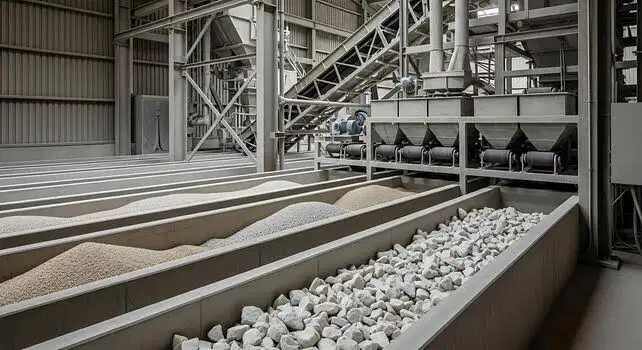
LKAB's approach starts with materials already present in its iron ore production rather than relying on a separate mine dedicated to these minerals. Apatite, a phosphate mineral contained in the iron ore production stream, can be concentrated and then processed to recover phosphorus and rare earth elements.
This creates a different commercial model for the mining sector. Instead of treating certain residual streams as waste, LKAB intends to turn them into feedstock for additional products and downstream industries.
The potential supply significance is substantial. LKAB has previously estimated that its planned production could generate around 400,000 tonnes of apatite concentrate, which can be upgraded into phosphoric acid and ammonium phosphate fertiliser products. The company has also estimated potential rare earth element production of around 2,000 tonnes.
For chemical traders and procurement teams, this means an iron ore operation could become an upstream source for materials traditionally associated with separate mineral supply chains.
How the Luleå Processing Model Works
The planned value chain links mining operations in northern Sweden with chemical processing capacity on the coast. Residual material from iron ore production is processed near the mining operations to obtain an apatite concentrate.
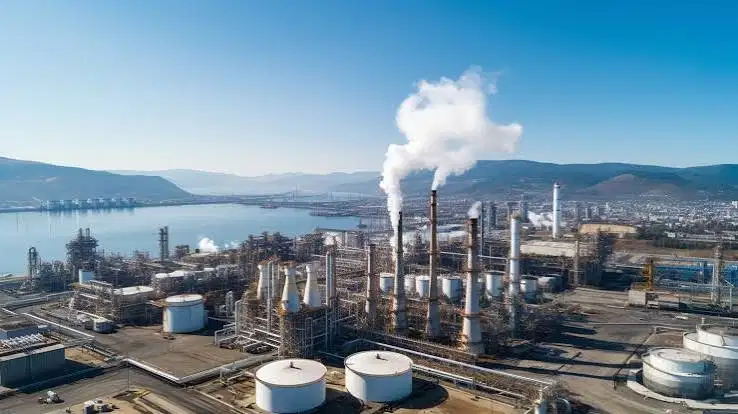
The concentrate is then transported to Luleå, where wet chemical processing will separate and upgrade the valuable components. LKAB's planned process targets phosphorus, rare earth elements and gypsum as a by-product.
The model has several connected stages:
Iron ore production: Existing mining activity provides the starting material containing apatite and other minerals.
Apatite concentration: Residual material is processed to produce a more concentrated feedstock.
Chemical processing: The apatite concentrate moves to Luleå for separation and upgrading.
Phosphorus production: Phosphorus can enter the fertiliser value chain through phosphoric acid and ammonium phosphate products.
Rare earth recovery: Rare earth elements can supply downstream technology and industrial applications.
By-product utilisation: Gypsum can provide an additional material stream for industries such as construction.
This integrated structure gives LKAB an opportunity to capture more value from material generated by its existing mining system.
European Supply Chains Face a Critical Minerals Challenge
The commercial importance of the project comes from Europe's dependence on imported raw materials. LKAB states that around 90 percent of Europe's phosphorus requirement is supplied through imports, while rare earth elements have also been heavily dependent on external supply.
Phosphorus is particularly important because it feeds the mineral fertiliser industry. Agricultural production depends on reliable access to phosphorus-based nutrients, making the material strategically relevant to food supply chains as well as chemical manufacturing.
Rare earth elements have a different demand profile. They are used across technologies including electric vehicles, wind turbines, electronics and other advanced industrial applications. LKAB's planned recovery route therefore connects mining with two distinct demand centres, agriculture and technology.
For European buyers, a domestic supply source can also change procurement considerations. Shorter regional supply chains may reduce exposure to long-distance shipping disruptions, geopolitical restrictions and concentrated overseas sourcing.
What the 2026 Demonstration Plant Means for the Market
LKAB invested approximately SEK 800 million in the demonstration plant and research and development centre in Luleå. The facility is designed to test and further develop the processes required to extract phosphorus and rare earth elements before larger-scale production decisions are made.
The demonstration phase matters because commercial-scale mineral processing requires more than proving that a mineral exists in the feedstock. Operators must establish stable processing conditions, recovery performance, product quality and economic viability.
LKAB's current development strategy therefore uses a phased approach. The demonstration plant is intended to provide technical knowledge while supporting future decisions about additional processing capacity.
The company now expects the demonstration facility to become operational in autumn 2026. Full-scale expansion is planned through a gradual development process with broader operations expected during the 2030s.
For traders, the immediate opportunity is therefore more strategic than a sudden change in available supply. The project establishes a potential future European source while the processing technology moves through demonstration and scale-up.
Implications for Phosphorus and Fertiliser Buyers
Phosphorus recovery from iron ore could eventually add another European feedstock route for the fertiliser industry. LKAB's plans include upgrading apatite-derived phosphorus into materials that can enter the production chain for mineral fertilisers.
The company has identified phosphoric acid and MAP/DAP fertiliser products as potential downstream applications. This makes the project relevant not only to mining companies but also to chemical processors, fertiliser manufacturers and agricultural supply chains.
Procurement teams tracking phosphorus markets should pay attention to several factors:
Feedstock availability: Commercial output depends on the quantity and quality of apatite concentrate recovered from iron ore production.
Processing performance: Demonstration results will provide important information about recovery and product quality.
Scale-up timing: The transition from demonstration capacity to industrial production will determine when meaningful volumes can reach the market.
Downstream integration: Phosphoric acid and ammonium phosphate production could create additional European processing demand.
Regional sourcing: European buyers may gain another option alongside established international suppliers.
The potential impact extends beyond the raw material itself. A new source can influence purchasing strategies, supplier diversification and long-term contract planning.
Rare Earth Recovery Adds a New Industrial Dimension
Rare earth elements give the Luleå project a second strategic market. Unlike phosphorus, which has a major connection to agriculture and fertiliser production, rare earths support high-value industrial and technology applications.
LKAB plans to extract rare earth elements from the same broader mineral stream used for phosphorus recovery. The company says its demonstration plant is intended to test extraction of phosphorus and all 17 rare earth elements from the residual stream of iron ore production.
This could support a more integrated European value chain. Instead of exporting mineral resources for processing elsewhere, a larger share of the separation and processing activity could take place within Europe.
For importers and industrial buyers, the strategic question is not simply how much material LKAB could produce. It is also how the new supply integrates with existing processors, refiners, component manufacturers and end-use industries.
Procurement Factors to Watch Before Scale-Up
The project creates a future sourcing opportunity, but procurement teams will need to follow its development milestones closely. Demonstration results, permitting, infrastructure and commercial investment decisions will all influence the timing and scale of future output.
Several indicators deserve particular attention:
Demonstration plant performance: Successful technical testing can provide evidence for larger-scale processing decisions.
Industrial park development: Construction and commissioning plans will determine future production capacity.
Apatite supply: Upstream processing in Gällivare is an important part of the proposed supply chain.
Product specifications: Buyers will need consistent specifications for phosphorus products and individual rare earth materials.
Logistics: The movement of apatite concentrate from northern mining operations to Luleå is an essential part of the planned model.
Market economics: Production costs and downstream demand will influence the commercial competitiveness of the resulting products.
LKAB received an environmental permit for the planned Luleå industrial park in May 2026, marking a significant regulatory milestone. The company has also stated that future investment and implementation decisions will depend on technical and market factors.
What This Means for European Chemical Trade
The Luleå project reflects a broader change in how industrial companies view mineral resources. Mining residues are increasingly being considered potential feedstocks for additional products when technology allows valuable components to be recovered economically.
For chemical traders, this can create new sourcing relationships between mining companies, processors and downstream manufacturers. It can also encourage buyers to look beyond traditional chemical production routes when assessing future supply options.
The phosphorus component is particularly relevant to fertiliser supply chains. The rare earth component could support industries seeking more diversified access to materials used in electrification, electronics and other advanced technologies.
LKAB's project also demonstrates how one feedstock can support multiple industrial markets. That diversification can strengthen the commercial case for processing infrastructure while creating additional routes for material recovery.
What Buyers Should Track Through 2027 and Beyond
The most important near-term milestone is the performance of the Luleå demonstration plant. Its results should provide greater visibility into the technical requirements for extracting phosphorus and rare earth elements at larger scale.
Buyers should also monitor the development of upstream apatite processing and the progression toward full-scale industrial facilities. LKAB describes the future operation as a phased expansion, with full-scale activity expected during the 2030s.
For procurement managers, this project is best viewed as an emerging European supply channel rather than an immediate replacement for established global sources. Companies planning long-term sourcing strategies can track LKAB's production milestones while continuing to evaluate supplier diversification, product specifications, logistics and commercial terms.
The larger significance is the creation of a new mineral value chain from material already generated through iron ore production. If the planned processing route reaches commercial scale, Sweden could supply phosphorus and rare earth products from an integrated European operation, linking mining, chemical processing and downstream manufacturing in one expanding ecosystem.