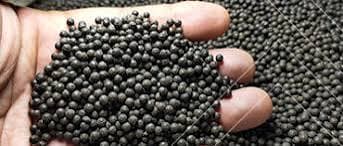
Phosphorus remains a strategically important raw material for global agriculture, fertilizers, food production, animal nutrition, and industrial applications. Most phosphorus is ultimately used in fertilizers, making the market closely connected to global food production and agricultural demand. Phosphate rock is the principal significant global resource of phosphorus. (USGS)
The global phosphorus market is currently being shaped by a combination of supply constraints, sulfur availability, fertilizer affordability, trade policies, logistics disruptions, and changing agricultural demand.
The market outlook is therefore more complex than simply measuring fertilizer consumption. Buyers and producers increasingly need to monitor the entire value chain, from phosphate rock and sulfur through phosphoric acid, MAP, DAP, and other phosphate products.
Why Phosphorus Matters
Phosphorus is an essential nutrient for plant growth and is particularly important for root development, energy transfer, and crop productivity.
Its largest commercial application is fertilizer production, while phosphate-based materials are also used in:
Agriculture
Animal feed
Food processing
Water treatment
Detergents
Industrial chemicals
Specialty chemical manufacturing
The importance of phosphorus to food production means that changes in phosphate supply can have consequences far beyond the chemical industry.
Global Supply Remains a Key Market Issue
Phosphate supply is influenced by the availability of several critical raw materials and intermediates.
These include:
Phosphate rock
Sulfur
Ammonia
Phosphoric acid
Phosphate fertilizers
Recent market analysis has identified sulfur availability as an important constraint on phosphate fertilizer production, rather than demand alone. Disruptions affecting sulfur and ammonia trade have increased concerns about the reliability of phosphate production and global fertilizer supply. (ICIS)
This makes raw-material availability an increasingly important indicator for phosphorus-market intelligence.
Demand Is Closely Linked to Agricultural Economics
Phosphorus demand is strongly influenced by farmers' ability and willingness to purchase fertilizers.
When fertilizer prices rise faster than crop economics, farmers may delay purchases or reduce application rates.
The International Fertilizer Association's 2026–2030 outlook indicates that phosphorus demand is particularly sensitive to affordability. Its scenarios point toward continued pressure on global P₂O₅ use during the near term, followed by a slower recovery. (IFA)
This creates an important market dynamic:
Tight supply does not necessarily translate immediately into stronger demand.
Farmers and governments may delay purchases while governments and major buyers simultaneously seek to secure future supply.
Trade Flows Are Becoming More Important
Phosphorus and phosphate markets are highly dependent on international trade.
Major producing and exporting regions influence global availability through:
Export policies
Production capacity
Trade restrictions
Domestic fertilizer requirements
Shipping availability
Regional demand
China's phosphate export policy remains an important market variable, while North African and Middle Eastern producers remain significant sources of global phosphate supply. (PhosAgro)
For import-dependent markets, changes in export availability can quickly affect procurement costs and purchasing strategies.
Logistics and Geopolitical Risk
Phosphate markets are also exposed to transportation and geopolitical risks.
The Strait of Hormuz is particularly important because significant volumes of fertilizer-related raw materials and products move through the region. The World Bank has highlighted the importance of the route for DAP, sulfur, and ammonia trade, while the FAO has warned that fertilizer-market disruptions can feed through into agricultural production and food security. (World Bank)
Higher freight costs, insurance premiums, or shipping disruptions can therefore increase the delivered cost of phosphorus-based products even when underlying production costs remain unchanged.
Phosphorus Market Applications
Although fertilizer remains the dominant end use, phosphate chemistry supports several other industries.
Agriculture
Phosphate fertilizers provide essential phosphorus nutrients for crop production.
Food Processing
Phosphate compounds can be used in food processing for functions such as acidity control, buffering, texture, and processing performance.
Animal Nutrition
Phosphorus is an important component of animal nutrition and feed formulations.
Water Treatment
Phosphate-based chemicals can be used in water treatment and corrosion-control applications.
Industrial Chemicals
Phosphate chemistry is also used across detergents, surface treatment, specialty chemicals, and other industrial applications.
This diversification creates additional demand channels beyond agricultural fertilizer markets.
Regional Demand Trends
Asia-Pacific remains an important center of phosphate demand due to its large agricultural sector and fertilizer consumption.
Demand from countries including India, Pakistan, Brazil, and several African markets has been an important factor supporting international phosphate markets during periods of tighter supply. (Green Gubre Group)
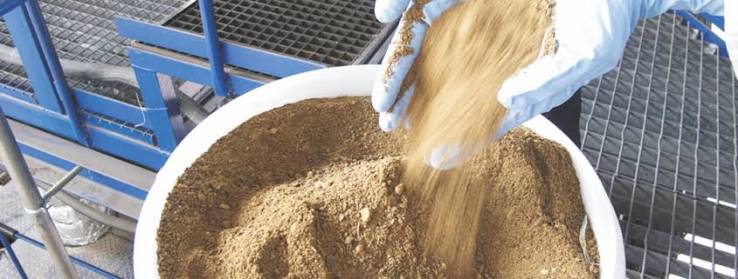
At the same time, demand conditions remain uneven between regions as farmers respond differently to fertilizer affordability, crop prices, weather conditions, and government policies.
Supply Expansion Will Shape the Medium-Term Outlook
The longer-term phosphorus outlook will depend heavily on new production capacity.
New phosphate projects can potentially ease supply constraints, but the timing of capacity additions matters.
PhosAgro's market assessment indicates that the phosphate market balance through 2027–2030 will depend significantly on the timing of new projects in Saudi Arabia and Morocco, while changes in China's export policy could also influence global availability. (PhosAgro)
For buyers, announced capacity is therefore less important than actual commissioning, ramp-up, and export availability.
Competitive Intelligence
Companies tracking the phosphorus market should monitor several indicators.
1. Phosphate Rock Supply
Changes in mining output and new phosphate-rock projects can influence the entire downstream value chain.
2. Sulfur Availability
Sulfur is an important input for phosphate production, making its availability a critical market indicator.
3. Phosphoric Acid Capacity
New or disrupted phosphoric-acid capacity can affect fertilizer and industrial phosphate supply.
4. China Export Policy
Changes in Chinese export restrictions can significantly alter international supply balances.
5. Fertilizer Affordability
Farmer purchasing power remains an important indicator of actual phosphorus demand.
6. Freight Costs
Ocean freight and logistics disruptions can significantly influence delivered phosphate costs.
7. New Capacity
Track project announcements, commissioning dates, utilization rates, and export plans rather than announcements alone.
Procurement Considerations
Phosphorus and phosphate buyers should evaluate both price and supply security.
Important considerations include:
Supplier diversification
Origin-country exposure
Production capacity
Phosphate-rock availability
Sulfur exposure
Freight costs
Inventory levels
Contract duration
Alternative suppliers
Regulatory requirements
For import-dependent buyers, maintaining relationships with suppliers from multiple producing regions can reduce exposure to individual-country disruptions.
Looking Ahead
The phosphorus market is entering a period where supply security, affordability, trade policy, and logistics are becoming increasingly interconnected.
Near-term phosphorus demand may remain under pressure because fertilizer affordability is weak in several markets. At the same time, supply constraints involving sulfur, phosphate production, export policies, and transportation routes can keep the market sensitive to disruptions. (IFA)
Over the medium term, new capacity in major producing regions could improve supply availability, but the timing of these projects and changes in international trade policies will remain important.
For phosphorus-market participants, the most useful approach is therefore to monitor the complete value chain rather than focusing on fertilizer prices alone.
Key Takeaways
Phosphorus is strategically important because of its central role in global fertilizer and food production.
Phosphate supply depends on phosphate rock, sulfur, ammonia, and phosphoric-acid availability.
Fertilizer affordability remains a major constraint on near-term phosphorus demand.
China, North Africa, the Middle East, and major agricultural markets remain important to global phosphate trade.
Geopolitical and logistics disruptions can quickly affect delivered phosphorus and phosphate costs.
New capacity in Saudi Arabia and Morocco could influence the medium-term supply balance.
Procurement teams should monitor raw materials, production capacity, export policies, freight, and agricultural demand together.
Sources
U.S. Geological Survey — Phosphate Rock Statistics and Information
International Fertilizer Association — Public Summary: Medium-Term Fertilizer Outlook 2026–2030
ICIS — Governments are securing phosphate fertilizer supply while farmers wait
World Bank — Commodity Markets Outlook, April 2026
FAO — Food Outlook: Global food commodity market trends
Phosphoric Acid (85%) (E338) CAS: 7664-38-2